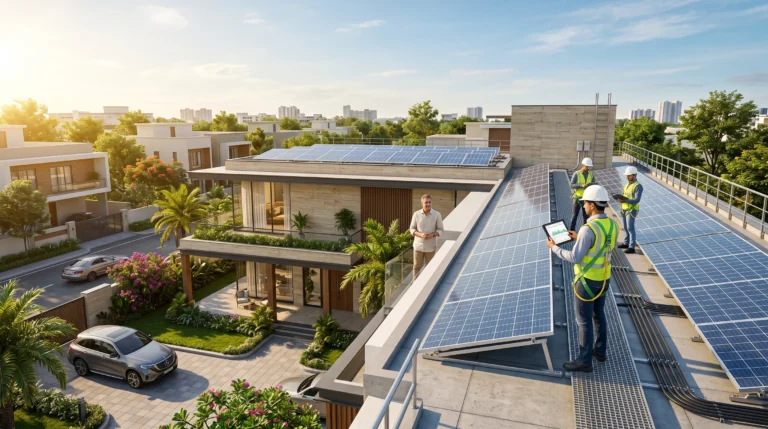
Installing rooftop solar is a long-term investment, and one of the first questions homeowners ask is, “How long do solar panels last?” The good news is that modern solar panels are built to provide reliable electricity generation for decades. However, their lifespan depends on several factors, including panel quality, installation standards, environmental conditions, and regular maintenance.
Unlike many household appliances, solar panels don’t suddenly stop working after a certain number of years. Instead, they gradually produce slightly less electricity over time due to a natural process known as performance degradation. With quality equipment, professional installation, and routine maintenance, many solar systems continue generating clean energy well beyond their expected service life.
For homeowners in Hyderabad and Telangana, understanding the lifespan of solar panels is essential when planning a rooftop solar investment. It helps set realistic expectations, compare products, and make informed maintenance decisions.
In this guide, you’ll learn how long solar panels typically last, what influences their lifespan, how to maintain them properly, when replacement may be necessary, and how to maximize the long-term performance of your solar system.
Most quality solar panels are designed to operate for 25 years or more. They do not suddenly stop generating electricity after this period. Instead, their energy production gradually decreases over time due to normal performance degradation.
The actual lifespan of a solar panel depends on factors such as:
With proper care and professional installation, many solar panels continue producing useful amounts of electricity well beyond 25 years.
Solar panels are engineered for long-term outdoor use and are designed to withstand a wide range of environmental conditions. Their durable construction and simple design contribute to their long operational life.
No Moving Parts
Unlike generators or many household appliances, solar panels have no moving mechanical parts. This reduces wear and tear and lowers the likelihood of mechanical failure.
Durable Construction
Modern solar panels are manufactured using high-quality materials designed to withstand years of exposure to sunlight, rain, wind, and changing temperatures.
Tempered Glass Protection
Most solar panels are protected by a layer of toughened or tempered glass that helps resist impacts from hail, debris, and everyday environmental exposure.
Weather-Resistant Design
Solar panels are built to perform in various weather conditions, including:
Their sealed construction helps protect internal electrical components from moisture and contaminants.
Built for Continuous Outdoor Operation
Since solar panels are installed outdoors for their entire service life, manufacturers design them to withstand prolonged exposure to ultraviolet (UV) radiation and changing weather conditions.
Proven Long-Term Reliability
Millions of solar installations around the world have demonstrated that quality solar panels can continue generating electricity reliably for decades when properly installed and maintained.
Although the exact lifespan varies by manufacturer and installation conditions, quality solar panels are designed for long-term operation.
Residential Solar Panels
Most residential rooftop solar panels are expected to generate electricity efficiently for 25 years or more under normal operating conditions.
With regular maintenance and proper installation, many systems continue performing well beyond their expected service life.
Commercial Solar Panels
Commercial and industrial solar panels are also designed for long-term use. Their operational lifespan depends on factors such as equipment quality, installation practices, maintenance schedules, and operating environment.
Routine inspections help maintain system reliability throughout their service life.
A common misconception is that solar panels stop working after 25 years.
In reality, they usually continue generating electricity, although at a lower output than when they were new. Many homeowners choose to continue using their existing panels if they are still meeting their energy requirements.
Replacement is typically considered only when performance no longer meets the property’s needs or when significant physical damage or system issues are identified.
Understanding Long-Term Performance
As solar panels age, a gradual reduction in electricity generation is expected. This natural process is considered during product design and is different from panel failure.
High-quality panels continue producing useful electricity for many years, making rooftop solar one of the longest-lasting home energy investments.
Several factors influence how long a solar panel system continues to perform efficiently.
Panel Quality
Higher-quality solar panels manufactured using advanced materials and strict quality standards generally provide better long-term reliability and durability.
Choosing reputable manufacturers helps improve long-term performance.
Installation Quality
Professional installation plays a major role in system longevity.
Proper mounting, electrical connections, cable management, and compliance with manufacturer guidelines help ensure safe and reliable operation throughout the system’s life.
Weather Conditions
Solar panels are designed to withstand different weather conditions, but long-term exposure to harsh environmental factors can influence their performance.
These include:
Roof Condition
A structurally sound roof provides stable support for the solar installation.
If roofing issues develop after installation, timely repairs help protect both the roof and the solar system.
Regular Maintenance
Routine maintenance helps identify minor issues before they become major problems.
Basic maintenance includes:
Dirt and Dust
Dust, bird droppings, leaves, and other debris can reduce the amount of sunlight reaching the solar panels, affecting energy generation if left uncleaned for extended periods.
Periodic cleaning helps maintain efficient operation.
Shading
Trees, nearby buildings, or newly constructed structures may cast shadows on the panels over time.
Persistent shading can reduce electricity generation and overall system performance.
Electrical Components
Although solar panels are highly durable, other components such as inverters, connectors, wiring, and mounting hardware also contribute to overall system performance.
Regular inspections help ensure these components remain in good condition.
Extreme Temperatures
Solar panels are designed to operate across a wide temperature range. However, prolonged exposure to extreme environmental conditions can influence overall system performance over time.
Proper system design and adequate ventilation help support efficient operation.
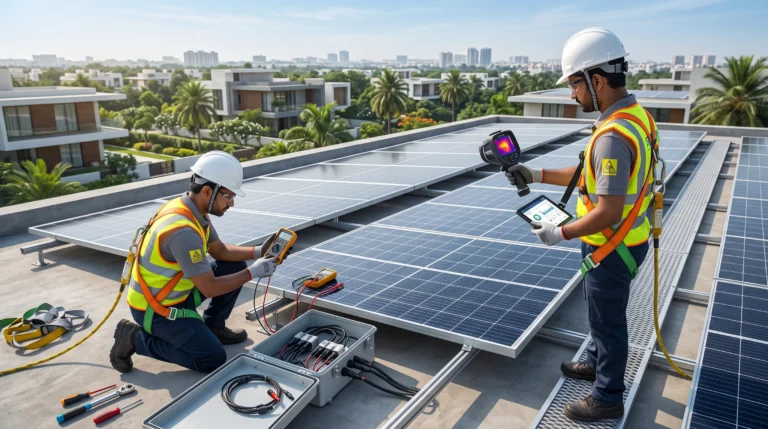
One of the most misunderstood aspects of solar energy is solar panel degradation.
Degradation is a natural and gradual reduction in electricity generation that occurs as solar panels age. It is a normal characteristic of photovoltaic technology and should not be confused with equipment failure.
Degradation Is Normal
Every solar panel experiences a gradual decline in performance over its operational life.
This process is expected and is considered when manufacturers design and test their products.
Degradation Does Not Mean the Panel Has Failed
A panel experiencing normal degradation continues generating electricity.
The difference is that its output slowly decreases over many years rather than stopping suddenly.
Degradation vs Damage
It’s important to distinguish between these two terms:
Performance Degradation
Physical Damage
Physical damage requires professional inspection and may affect system performance differently than natural degradation.
Although solar panels require relatively little maintenance, following a few best practices can help maximize their lifespan and maintain efficient energy generation.
Clean Panels When Needed
Remove accumulated dust, leaves, bird droppings, and other debris using safe cleaning methods recommended by the manufacturer or your installer.
Schedule Annual Inspections
Professional inspections help identify loose connections, mounting issues, or component wear before they develop into larger problems.
Trim Nearby Trees
Keeping nearby trees properly trimmed helps reduce shading and minimizes the accumulation of leaves and debris on the panels.
Monitor System Performance
Many modern solar systems include monitoring tools that help homeowners track electricity generation and identify unusual performance changes.
Follow Professional Maintenance Advice
Routine maintenance performed by qualified technicians helps maintain system safety, efficiency, and long-term reliability.
Choose High-Quality Components
A durable solar system depends not only on quality panels but also on reliable inverters, mounting structures, cables, and connectors.
Proper system design and professional installation reduce the likelihood of installation-related issues and help ensure the system performs as intended throughout its lifespan.
Signs Your Solar Panels May Need Attention or Replacement
Solar panels are designed for long-term reliability, but like any outdoor equipment, they should be inspected periodically. A change in system performance does not always mean the panels need replacement—often, a professional inspection can identify and resolve the issue.
Noticeable Drop in Energy Generation
If your solar system consistently generates less electricity than expected under similar weather conditions, it may indicate a problem that requires inspection.
Possible causes include:
Visible Physical Damage
Inspect your panels occasionally for signs of:
Any visible damage should be assessed by a qualified technician before continuing normal operation.
Hot Spots
Hot spots are localized areas on a solar panel that become hotter than surrounding cells due to electrical or physical issues. If left unaddressed, they may affect long-term performance.
Professional testing is recommended if hot spots are suspected.
Delamination
Delamination occurs when the protective layers of a solar panel begin separating over time. This may allow moisture to enter the panel and affect its performance.
Moisture Ingress
Water entering a damaged panel can reduce efficiency and affect internal electrical components.
Signs may include:
Frequent Inverter Warnings
Sometimes the issue isn’t the solar panel itself but another system component.
Repeated inverter error messages or unexpected shutdowns should be investigated by a qualified technician.
Aging Electrical Components
Solar panels often outlast other system components such as inverters and certain electrical accessories.
Regular inspections help determine whether maintenance, repairs, or component replacement is needed.
Important: Always schedule a professional inspection before deciding to replace solar panels. Many performance issues can be resolved without replacing the panels.
Not necessarily.
One of the biggest misconceptions about rooftop solar is that panels automatically stop working after 25 years. In reality, most quality solar panels continue generating electricity beyond this period, although at a lower output due to natural performance degradation.
Replacement depends on factors such as:
Some homeowners continue using their existing panels for several more years, while others choose to upgrade when expanding their solar system or increasing electricity consumption.
A professional inspection is the best way to determine whether replacement is actually necessary.
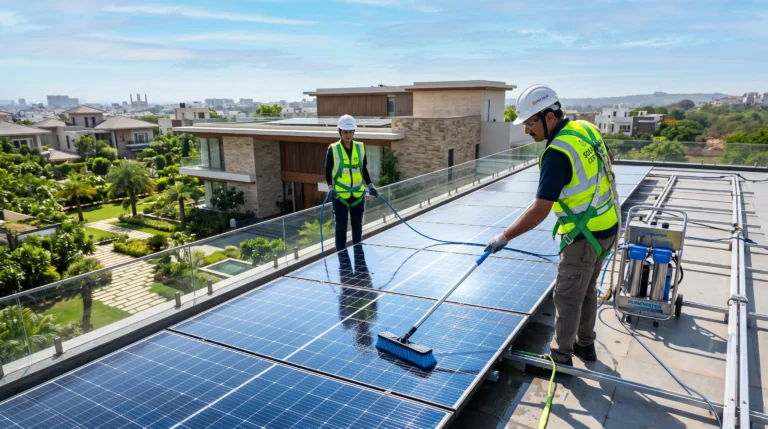
At Roof Rays Solar, we help customers maximize the lifespan and performance of their rooftop solar systems through professional maintenance and technical support.
Our Services Include
Solar System Health Inspection
We perform comprehensive inspections to evaluate the overall condition of your solar system.
Performance Assessment
Our team reviews system performance to identify any unusual reduction in energy generation and recommend suitable corrective actions.
Cleaning Guidance
We provide recommendations on safe cleaning practices and maintenance schedules based on your installation environment.
Preventive Maintenance
Regular preventive maintenance helps detect minor issues before they affect long-term system performance.
Troubleshooting Support
If your solar system displays unexpected behavior or inverter alerts, our technicians help identify the root cause and recommend appropriate solutions.
Replacement Guidance
When replacement becomes necessary, we provide honest advice based on the condition of your existing equipment rather than recommending unnecessary upgrades.
System Upgrade Consultation
If your electricity needs have increased, we can assess whether expanding or upgrading your existing solar system is the most practical solution.
Myth: Solar Panels Stop Working After 25 Years
Fact: Most quality solar panels continue producing electricity beyond 25 years. They simply generate less electricity over time due to normal performance degradation.
Myth: Solar Panels Require Constant Maintenance
Fact: Solar panels are generally low-maintenance. Periodic cleaning, routine inspections, and performance monitoring are usually sufficient to keep the system operating efficiently.
Myth: Rain Keeps Solar Panels Perfectly Clean
Fact: Rain can help remove loose dust, but it may not eliminate bird droppings, stubborn dirt, or other debris. Periodic cleaning may still be required depending on the installation environment.
Myth: All Solar Panels Last the Same Number of Years
Fact: Lifespan varies depending on product quality, installation standards, environmental conditions, and ongoing maintenance.
Myth: Every Old Solar Panel Needs Replacement
Fact: Age alone does not determine whether a panel should be replaced. Many older panels continue operating effectively and only require routine maintenance.
A homeowner in Gachibowli, Hyderabad, contacted Roof Rays Solar because their rooftop solar system had been operating for several years, and they were concerned that the panels might need replacement.
Our technical team conducted a complete system inspection, reviewed energy generation records, and checked the condition of the panels, inverter, and electrical connections.
The assessment showed that the solar panels were still functioning well. The primary issues were dust accumulation and a few minor maintenance requirements rather than panel failure.
Outcome
This example demonstrates the value of professional inspections before deciding to replace a rooftop solar system.
Most quality solar panels are designed to operate for 25 years or more, with gradual performance degradation over time rather than a sudden loss of functionality.
No. Many solar panels continue generating useful electricity beyond 25 years, although their energy output may gradually decrease as they age.
Cleaning frequency depends on factors such as dust, bird droppings, nearby trees, and local environmental conditions. Your installer can recommend an appropriate maintenance schedule.
It depends on the type and extent of the damage. A professional inspection is required to determine whether repair or replacement is the better option.
Poor installation, low-quality equipment, physical damage, prolonged shading, lack of maintenance, and harsh environmental conditions can affect long-term performance.
Solar panels are designed for outdoor use and can perform well in Hyderabad’s climate when installed correctly and maintained according to manufacturer recommendations.
Not always. The decision depends on the condition of the existing panels, overall system performance, compatibility, and your future energy requirements.
A noticeable reduction in energy generation, visible damage, repeated system faults, or a professional inspection may indicate that replacement should be considered.
Routine inspections, appropriate cleaning, and timely maintenance help support long-term system performance and reliability.
Yes. Our team provides professional inspections, performance assessments, maintenance recommendations, and guidance on repairs or replacement when necessary.
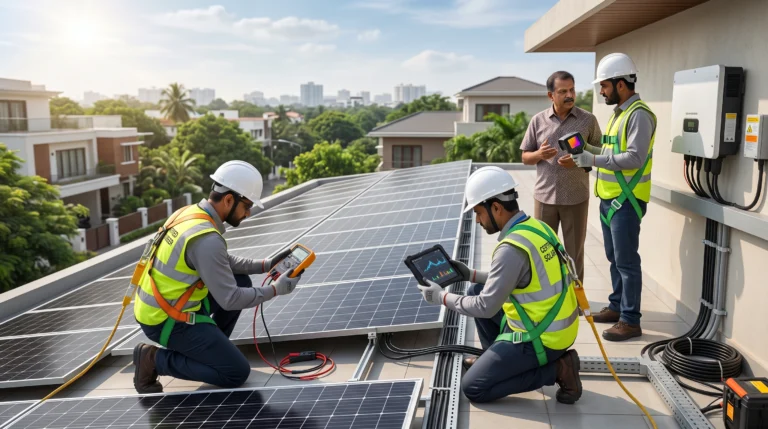
A rooftop solar system is designed to deliver value for decades, and choosing the right installation partner is essential for achieving that goal. At Roof Rays Solar, we support homeowners and businesses across Hyderabad and Telangana with expert guidance, quality installations, and dependable after-sales service throughout the life of their solar system.
Our experts design customized solar solutions based on your electricity consumption, roof space, and future energy goals—helping you maximize savings and achieve the best possible return on investment.
Phone
Address
📍 HUDA Complex, Tellapur, Hyderabad
Contact our solar experts today for a free consultation and personalized solar savings estimate.
Book Your Free Site Survey Today
Want to know how your rooftop solar system is performing? Schedule a free solar health check and consultation with Roof Rays Solar. Our experts will inspect your system, evaluate its performance, identify any maintenance needs, and provide honest recommendations to help maximize its lifespan and efficiency.
Solar panels are built to provide reliable, long-term electricity generation, with most quality systems designed to operate for 25 years or more. Rather than stopping suddenly, they gradually experience normal performance degradation while continuing to produce useful energy. Their actual lifespan depends on factors such as product quality, professional installation, environmental conditions, and regular maintenance.
Routine inspections, timely cleaning, and addressing minor issues early can significantly extend the useful life of your solar system and maintain consistent performance. At Roof Rays Solar, we help homeowners and businesses across Hyderabad and Telangana protect their investment with expert installation, preventive maintenance, system inspections, and practical guidance on repairs or replacement—ensuring your rooftop solar system continues delivering value for many years.
© 2025 Roof Rays Solar Solutions. All Rights Reserved. | Designed by MANI
Check whether your property qualifies for rooftop solar subsidy support.