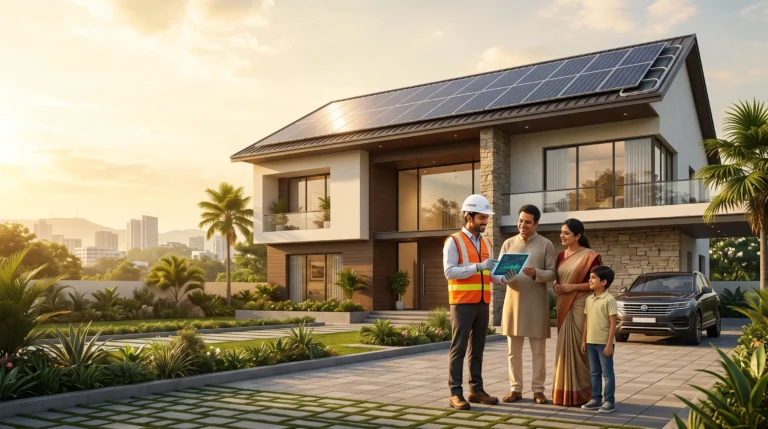
Installing residential solar panels in Hyderabad is one of the smartest ways for homeowners to reduce electricity bills, increase energy independence, and contribute to a cleaner environment. With abundant sunshine throughout the year and supportive government initiatives for rooftop solar, Hyderabad has become one of the leading cities in India for residential solar adoption.
Whether you own an apartment, an independent house, or a villa, choosing the right solar system can significantly lower your monthly electricity expenses while providing reliable power for decades. Modern residential solar systems are designed to be efficient, low-maintenance, and capable of generating clean electricity for more than 25 years.
However, selecting the right system involves more than simply choosing solar panels. Factors such as your monthly electricity consumption, roof space, system capacity, panel quality, inverter technology, and government subsidy eligibility all play an important role in determining the best solution for your home.
In this complete homeowner’s guide, you’ll learn everything you need to know about residential solar panels in Hyderabad, including system types, installation costs, pricing, roof space requirements, electricity generation, and the key factors to consider before making your investment.
As electricity prices continue to rise, many homeowners are looking for long-term solutions to reduce household expenses. Rooftop solar offers a practical way to generate clean electricity while lowering dependence on the power grid.
Some of the main reasons homeowners are switching to residential solar include:
A professionally designed residential solar system can deliver consistent performance and long-term savings for decades.
What Are Residential Solar Panels?
Residential solar panels are photovoltaic (PV) panels installed on the rooftops of homes to convert sunlight into electricity. The electricity generated can be used to power everyday household appliances such as lights, fans, refrigerators, televisions, washing machines, air conditioners, and other electrical devices.
A complete residential solar system generally includes:
These components work together to generate clean and reliable electricity for your home.
Benefits of Residential Solar Panels
Installing rooftop solar offers several financial and environmental advantages for homeowners.
Lower Electricity Bills
Solar panels generate electricity during daylight hours, helping reduce the amount of electricity purchased from the utility grid.
Long-Term Savings
Although rooftop solar requires an initial investment, the system can continue generating electricity for more than 25 years, providing substantial long-term savings.
Low Maintenance
Modern solar panels require minimal maintenance. Periodic cleaning and routine inspections are generally sufficient to maintain optimal performance.
Clean & Renewable Energy
Solar power produces electricity without emitting greenhouse gases during operation, making it an environmentally responsible energy source.
Increased Property Value
Homes equipped with professionally installed solar systems may be more attractive to buyers due to their potential for lower operating costs.
Types of Residential Solar Systems
Choosing the right solar system is just as important as selecting the right capacity.
On-Grid Solar System
An on-grid system is connected to the electricity grid and is the most common choice for urban homes in Hyderabad.
Advantages
Best suited for homes with a reliable electricity supply.
Off-Grid Solar System
Off-grid systems include battery storage and operate independently of the utility grid.
Advantages
Because batteries increase project costs, off-grid systems generally require a higher initial investment.
Hybrid Solar System
Hybrid systems combine grid connectivity with battery storage, providing uninterrupted power during outages while still utilizing the utility grid when needed.
Advantages
Hybrid systems are ideal for homeowners who require both energy savings and reliable backup power.
Residential Solar Panel Price in Hyderabad
The cost of installing residential solar panels depends on system capacity, panel quality, inverter type, roof conditions, and installation requirements.
Estimated Residential Solar System Prices (2026)
System Size | Estimated Price Range* | Suitable For |
1KW | ₹55,000 – ₹80,000 | Small apartments |
2KW | ₹95,000 – ₹1,35,000 | 1–2 BHK homes |
3KW | ₹1,45,000 – ₹2,10,000 | 2–3 BHK homes |
5KW | ₹2,30,000 – ₹3,50,000 | Villas & independent houses |
10KW | ₹4,80,000 – ₹7,20,000 | Large residences |
Note: Prices are approximate and may vary depending on component selection, roof conditions, installation complexity, and applicable government incentives.
How Many Solar Panels Does Your Home Need?
The number of solar panels required depends on:
General Recommendation
Monthly Electricity Usage | Recommended System |
Up to 150 Units | 1KW |
150–300 Units | 2KW |
300–450 Units | 3KW |
500–700 Units | 5KW |
Above 1,000 Units | 10KW+ |
A professional site survey helps determine the ideal system size based on your household’s actual electricity usage.
Roof Space Required
One of the first questions homeowners ask is whether they have enough roof area for solar installation.
Approximate Roof Space Requirements
Solar System | Roof Space Required |
1KW | 70–90 sq. ft. |
2KW | 140–180 sq. ft. |
3KW | 200–250 sq. ft. |
5KW | 320–400 sq. ft. |
10KW | 650–800 sq. ft. |
The actual roof space depends on the panel efficiency, mounting design, and roof layout.
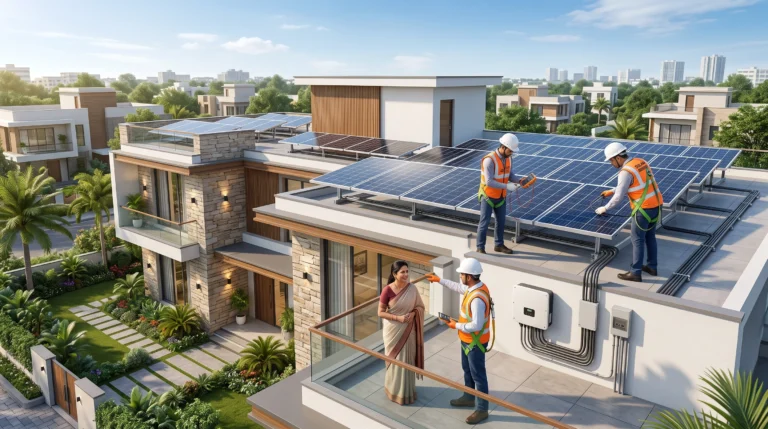
Every home is different, which means installation costs and system performance can vary.
Your average electricity usage determines the system size required for your home.
A larger, shade-free roof with proper orientation generally supports better solar energy generation.
Premium panels often provide higher efficiency, improved durability, and longer warranty coverage.
A quality inverter improves energy conversion efficiency, system monitoring, and overall reliability.
Roof accessibility, cable routing, electrical upgrades, and mounting requirements can influence the final installation cost.
If you plan to add air conditioners, electric vehicle charging, or other high-power appliances, it’s wise to consider future electricity consumption when choosing your system.
Government Subsidy & Net Metering
Installing residential solar panels becomes even more affordable when combined with government incentives and net metering. These benefits can help homeowners reduce the upfront investment while maximizing long-term electricity savings.
Government Subsidy
The Government of India promotes rooftop solar adoption through schemes such as the PM Surya Ghar: Muft Bijli Yojana. Eligible residential homeowners can receive financial assistance based on the approved system capacity and the latest government guidelines.
Benefits of Government Subsidy
Subsidy eligibility and application procedures are subject to current government policies. Consulting a professional solar installer can help ensure a smooth application process.
Net Metering
Net metering is an important feature of on-grid residential solar systems. It allows eligible homeowners to export excess electricity generated during the day to the electricity grid. The exported electricity is adjusted against the electricity consumed from the grid, helping reduce monthly electricity bills.
Advantages of Net Metering
Electricity Bill Savings & Return on Investment (ROI)
One of the biggest reasons homeowners invest in rooftop solar is the opportunity to reduce electricity expenses for many years.
Actual savings depend on factors such as:
Estimated Monthly Generation
Solar System | Average Monthly Generation | Suitable Monthly Electricity Bill |
1KW | 120–150 Units | Up to ₹2,000 |
2KW | 240–300 Units | ₹2,000–₹3,500 |
3KW | 360–450 Units | ₹3,500–₹5,500 |
5KW | 600–750 Units | ₹5,500–₹8,500 |
10KW | 1,200–1,500 Units | ₹10,000+ |
Long-Term Benefits
A properly designed residential solar system continues generating savings long after the initial investment has been recovered.
Choosing the right solar system starts with understanding your home’s current and future electricity requirements.
Choose a 1KW System If:
Choose a 2KW System If:
Choose a 3KW System If:
Choose a 5KW System If:
A professional site survey and energy assessment can help determine the ideal system size for your home.
Common Mistakes Homeowners Should Avoid
Installing solar panels is a long-term investment. Avoiding these common mistakes can help you achieve better performance and greater savings.
Choosing the Lowest Price
Low-cost quotations may include lower-quality components or limited after-sales support. Focus on product quality, warranties, and installer experience rather than price alone.
Ignoring Future Electricity Needs
If you plan to add air conditioners, electric vehicles, or other high-power appliances, consider future electricity requirements when selecting your system.
Not Evaluating Roof Conditions
Roof orientation, shading, and structural strength significantly affect system performance. A professional site survey helps identify the most suitable installation approach.
Selecting the Wrong System Type
Choosing between an on-grid, off-grid, or hybrid system depends on your electricity usage, backup power requirements, and budget.
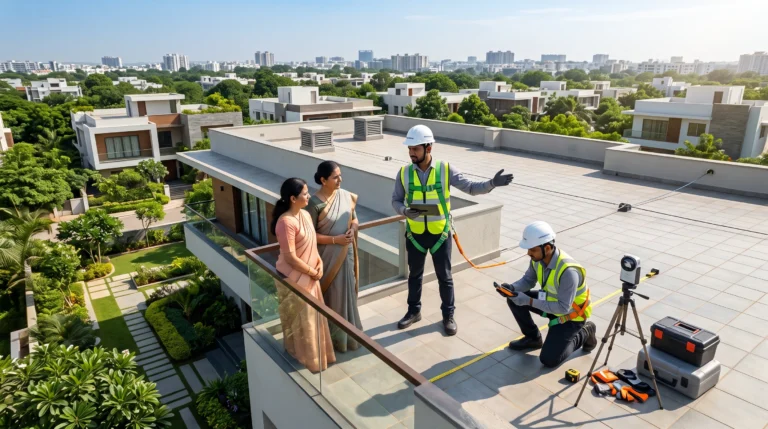
A family in Nallagandla, Hyderabad lives in a 3 BHK independent house with an average monthly electricity bill of ₹4,800. Their goal was to reduce electricity expenses while ensuring sufficient power for daily household appliances, including an air conditioner, refrigerator, washing machine, and home office equipment.
Following a professional energy assessment, a 3KW on-grid residential solar system was recommended.
Why It Was the Right Choice
This example shows why selecting a system based on actual energy usage provides better value than simply choosing a larger capacity.
What are residential solar panels?
Residential solar panels are photovoltaic (PV) panels installed on home rooftops to convert sunlight into electricity for everyday household use.
How much do residential solar panels cost in Hyderabad?
The cost depends on factors such as system size, panel quality, inverter type, roof conditions, and installation requirements. Smaller systems cost less than larger residential installations.
Which type of solar system is best for homes?
For most urban homes with a reliable electricity supply, an on-grid solar system is generally the most cost-effective option. Hybrid systems are suitable for homeowners who require battery backup.
Can residential solar panels power an entire home?
Yes. A properly sized solar system can generate enough electricity to meet a significant portion of a household’s energy requirements.
Is government subsidy available?
Eligible residential rooftop solar installations may qualify for government subsidies under the latest applicable schemes and guidelines.
How long do residential solar panels last?
Quality solar panels generally have a performance life of 25 years or more, while other components such as inverters may have different warranty periods.
Do residential solar panels require maintenance?
Solar panels require minimal maintenance. Regular cleaning and periodic inspections help maintain optimal energy generation.
Is installing residential solar panels a good investment?
Yes. For many homeowners, rooftop solar provides long-term electricity savings, greater energy independence, and protection against rising electricity costs.
Choosing the right solar installation partner is just as important as choosing the right solar system. At Roof Rays Solar, we provide end-to-end residential solar solutions designed to deliver long-term performance, safety, and value for homeowners across Hyderabad and Telangana.
Our experts design customized solar solutions based on your electricity consumption, roof space, and future energy goals—helping you maximize savings and achieve the best possible return on investment.
Phone
Address
📍 HUDA Complex, Tellapur, Hyderabad
Contact our solar experts today for a free consultation and personalized solar savings estimate.
Book Your Free Site Survey Today
Ready to install residential solar panels in Hyderabad? Contact Roof Rays Solar today to schedule a free site survey, receive a customized solar proposal, and discover the ideal rooftop solar solution for your home.
Installing residential solar panels in Hyderabad is a practical and cost-effective way to reduce electricity bills, increase energy independence, and invest in a cleaner future. By choosing the right system size, understanding installation costs, and taking advantage of available government incentives, homeowners can enjoy reliable solar power and long-term financial savings.
Whether you own an apartment, an independent house, or a villa, Roof Rays Solar offers customized residential solar solutions backed by expert guidance, quality components, and professional installation. Get in touch with our team today to start your journey toward sustainable, affordable, and reliable solar energy for your home.
© 2025 Roof Rays Solar Solutions. All Rights Reserved. | Designed by MANI
Check whether your property qualifies for rooftop solar subsidy support.